Real stone. Engineered precision.
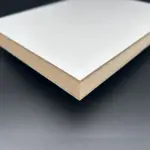
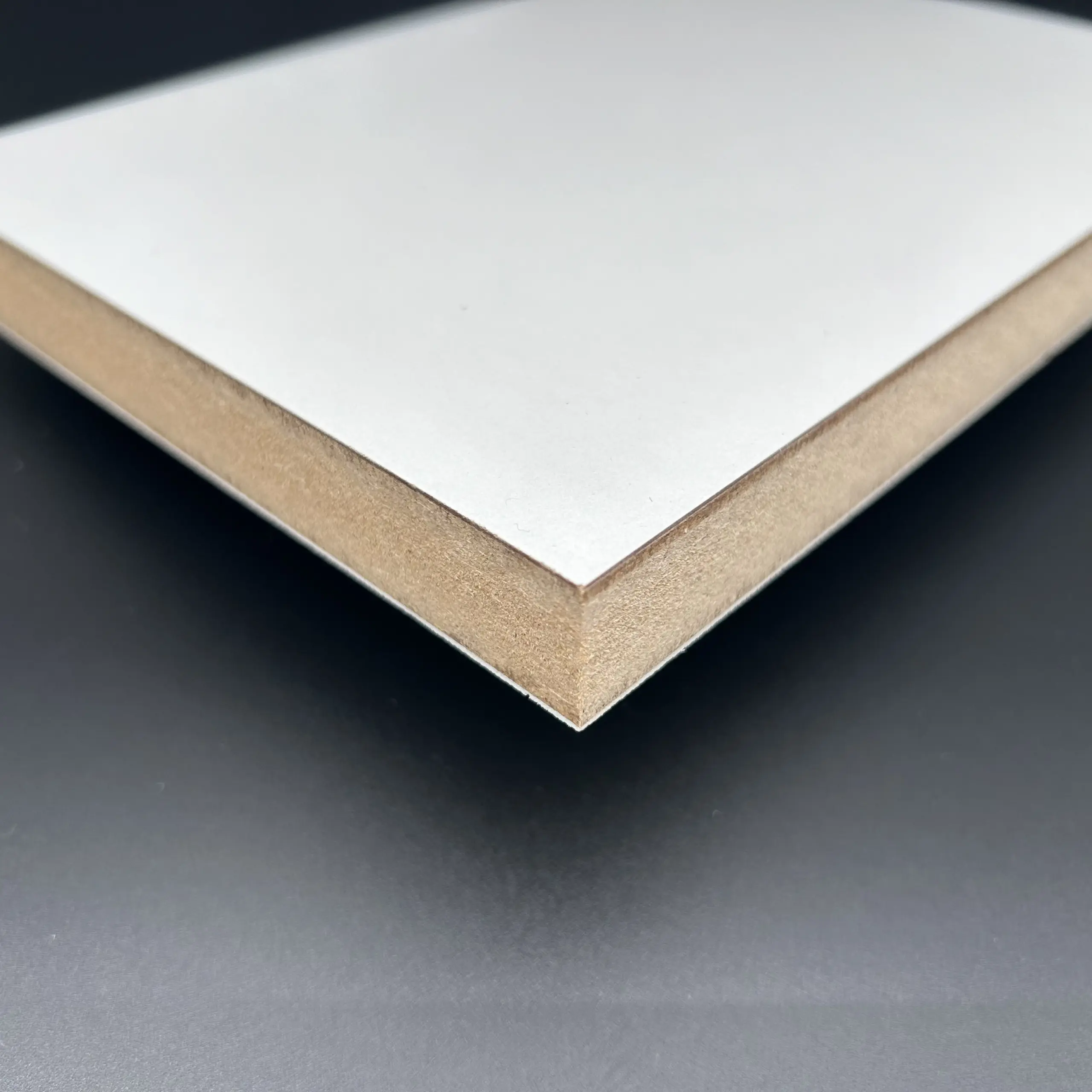
MDF provides the perfect calibrated substrate, while XSTONE mineral laminate delivers a genuine stone surface with minimal thickness and weight.
MDF meets mineral excellence
This hybrid system combines industrial efficiency with high-end mineral aesthetics, ideal for furniture, retail, and architectural interiors.
Lightweight structure, authentic surface.
The result: faster installation, reduced material impact, and uncompromised visual authenticity.
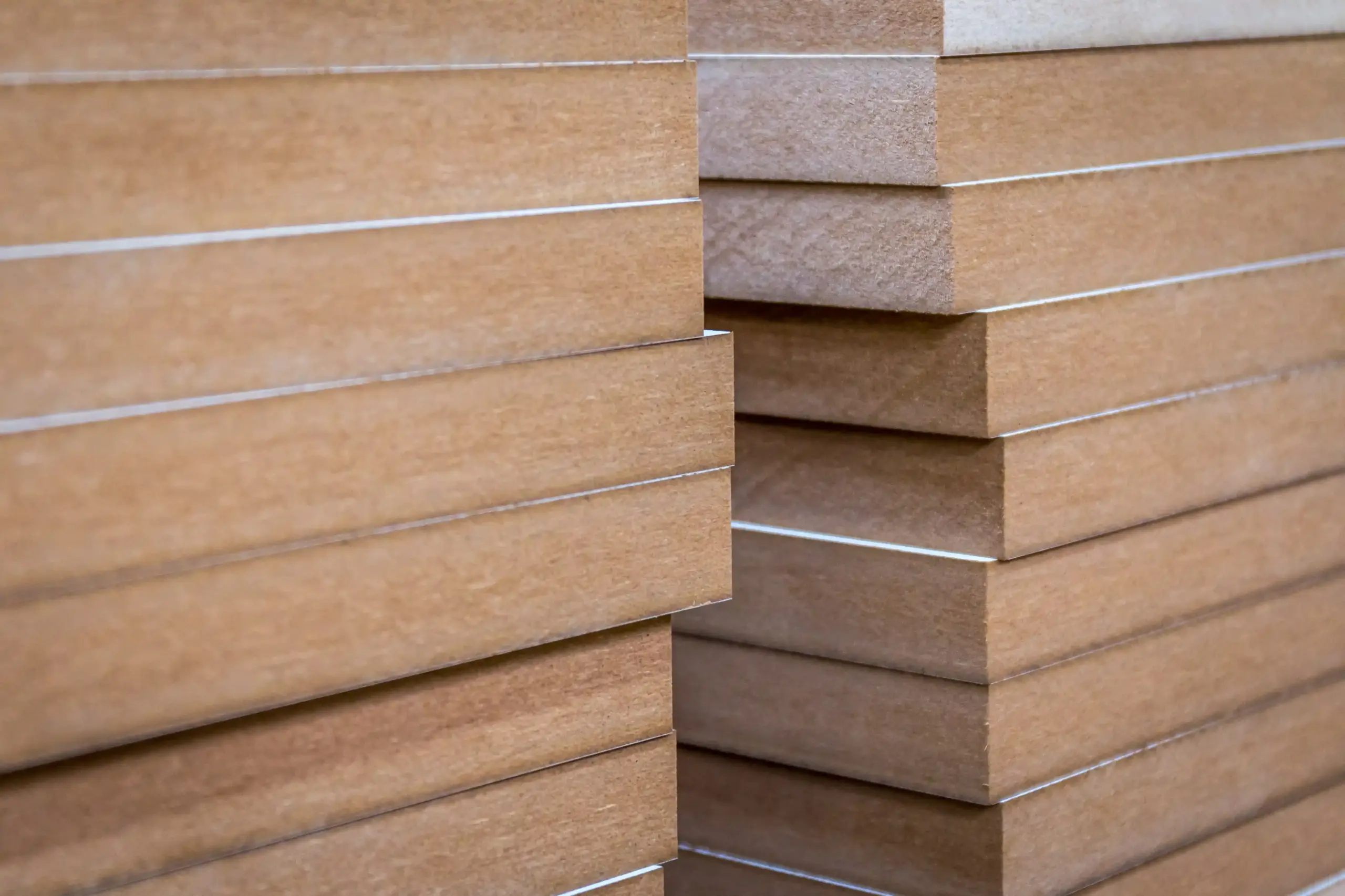
MDF | Medium Density Fiberboard
SKU:
MDF
MDF-Platten (Medium Density Fiberboard) sind Holzwerkstoffe, die für Konsistenz, Präzision und Vielseitigkeit entwickelt wurden. Ihre homogene Struktur, frei von Ästen und Maserungsrichtung, sorgt für einen perfekt glatten und stabilen Untergrund.
In Kombination mit XSTONE Mineral Laminat wird MDF zu einer leistungsstarken architektonischen Komponente, die strukturelle Präzision mit authentischer mineralischer Ästhetik verbindet.
Die wichtigsten Vorteile:
– Hervorragende Oberflächenqualität für die direkte Laminierung mit XSTONE-Mineralplatten
– Perfektes Trägermaterial für dünnes Echtholzlaminat (1-2 mm)
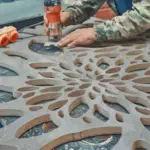
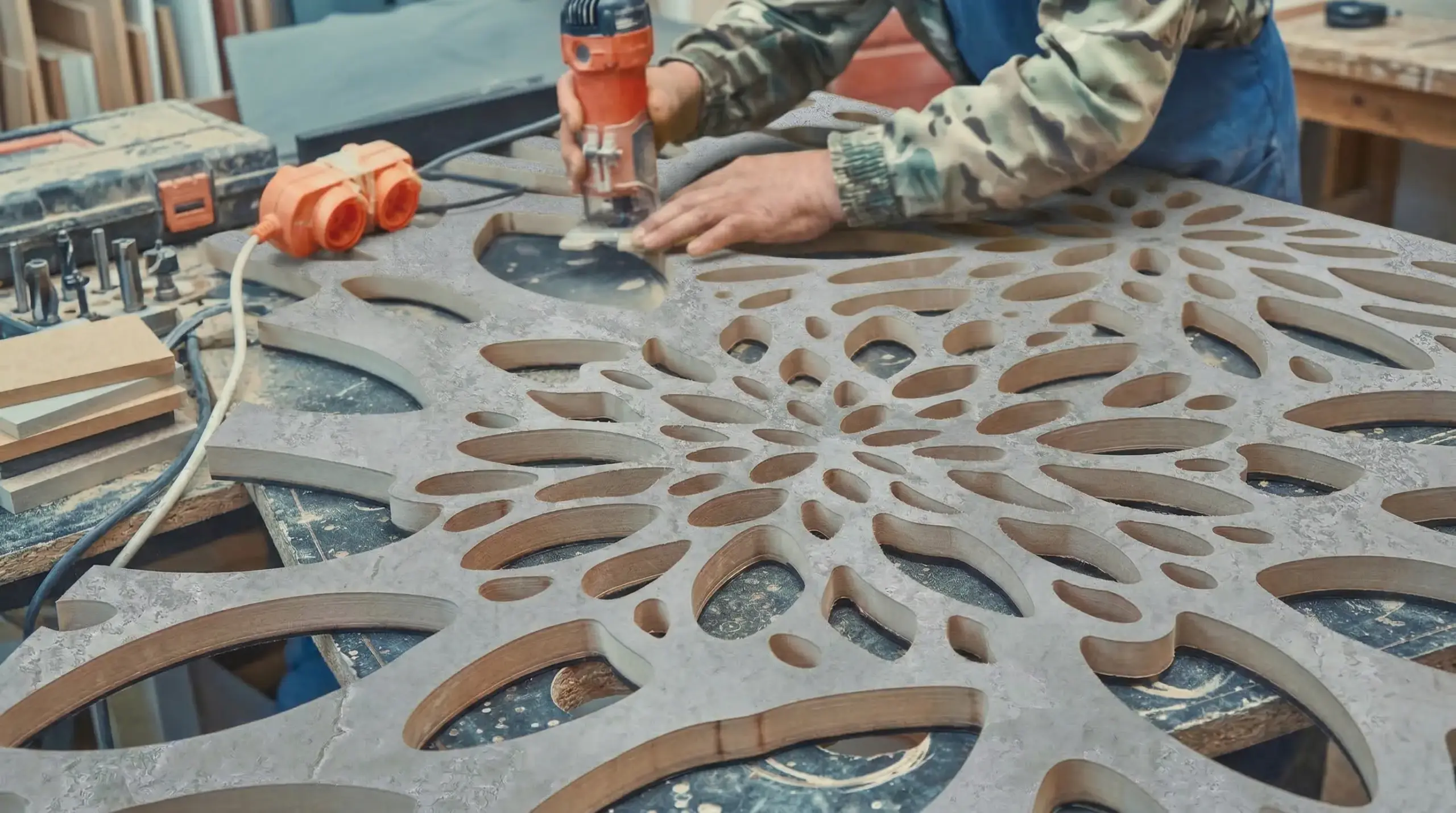
– Hervorragende Bearbeitbarkeit für CNC-Zuschnitt, Profilierung und komplizierte Details
– Dimensionsstabilität im Vergleich zu Massivholz
– Gleichmäßige Dichte, die eine gleichbleibende Klebeleistung gewährleistet
– Kosteneffizienz für groß angelegte Innenausbau- und Einzelhandelsprojekte
Durch die Integration von XSTONE Mineralwerkstoff verwandelt sich MDF in eine leichte Mineralwerkstoffplatte, die Folgendes bietet:
– Echte Steinoberfläche
– Geringere strukturelle Belastung im Vergleich zu massiven Platten
– Flexible Anwendung auf Möbeln, Wänden, POS-Elementen und Tischlerarbeiten
– Schnellere Installation im Vergleich zu traditionellen Steinverkleidungen
Diese Kombination ist ideal für hochwertige Einzelhandelsumgebungen, Gastgewerbeprojekte, Möbelherstellung und architektonische Innenausstattungselemente, die sowohl Präzision als auch eine authentische mineralische Textur erfordern.
| Zusammensetzung | Holzfasern (82-85%) + Bindemittel aus Kunstharz (10-12%) + Wachs (1-3%) + Wasser (~8-10%) |
|---|---|
| Eigenschaften | MDF bietet eine glatte, einheitliche Oberfläche, die sich leicht schneiden, bearbeiten, lackieren und furnieren lässt und somit ideal für Möbel, Schränke und Innenausbau ist. |
| Größe | 2800 x 1200 mm; Sonderformate auf Anfrage |
| Dicke | 12 mm; Maßgeschneiderte Dicke auf Anfrage |
| Brandklasse | D-s2, d0; Sonderanfertigung feuerbeständig B-s1, d0 auf Anfrage |
Affordable
MDF is a particularly affordable material compared to other solid woods commonly used in interior design.
Versatility
MDF is available in a wide variety of sizes, thicknesses, and types (water-resistant, fire-retardant, and pre-stained), allowing you to tackle a wide range of projects, such as kitchen cabinetry, office desks, storage units, shelves, and wall panels.
Easy to machine
MDF is very easy to cut, saw, and machine to create complex and custom shapes.
Good dimensional stability
MDF has high dimensional stability. It does not expand or contract even with slight changes in temperature and humidity
Eco friendly
This is a relatively environmentally friendly product because it can be easily recycled and is made from wood scraps or wood particles that have been compressed and reinforced with glue.
Wall Design
Floor
Worktop & Splashback
Laminate
Furniture
Door
Retail Design
Hotel
Bar & Restaurant
Office
Residential spaces
Technical Characteristics & Manufacturing Technology
MDF Core Technology
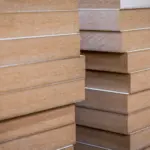
MDF is produced by breaking down hardwood and softwood residuals into fine wood fibers. These fibers are combined with synthetic resin binders and wax, then formed into panels under high temperature and pressure using advanced hot-press technology.
Typical MDF technical characteristics:
• Density: 600–800 kg/m³ (depending on grade)
• Thickness range: Commonly from 2 mm to 40 mm
• Moisture content: Approx. 5–8%
• High internal bond strength
• Optimized surface smoothness for lamination
Modern production ensures:
• Precise thickness calibration
• Controlled fiber distribution
• High structural uniformity
• Tight tolerances for industrial use
Specialized variants include moisture-resistant (MR), fire-retardant (FR), lightweight MDF, and high-density MDF (HDF).
Integration with XSTONE Mineral Laminate
XSTONE Mineral Laminate consists of real mineral surface layers with a thickness of approximately 1–2 mm, bonded to MDF panels using cold or hot lamination processes.
Technical benefits of the system:
• Ultra-thin real stone veneer
• Flexible mineral surface adaptable to furniture shapes
• Strong adhesion using PVAc wood glue or contact adhesive
• Reduced weight compared to traditional stone panels
• High-end mineral aesthetics with industrial processing efficiency
The result: a calibrated MDF structural core combined with authentic stone texture, optimized for precision fabrication.
Eco Sustainability, Ecology & Certifications
MDF Environmental Profile
MDF panels are primarily manufactured from recycled wood fibers and timber industry by-products, supporting responsible resource management.
Environmental aspects:
• Valorization of wood residues
• Optimized raw material yield
• Reduced dependence on solid hardwood
• Compliance with E1 or lower formaldehyde emission classes
• Controlled VOC emissionsn
Sustainability Contribution of XSTONE Mineral Laminate
When MDF is combined with XSTONE Mineral Laminate, the environmental impact of mineral surfaces is significantly reduced:
• Real stone layer only 1–2 mm thick
• No massive quarry block transport
• Reduced material extraction per m²
• Lower transport weight
• Optimized CO₂ footprint compared to traditional stone slabs
XSTONE mineral laminates are produced without energy-intensive firing processes and comply with strict environmental and VOC standards. This hybrid system enables responsible interior architecture: authentic mineral aesthetics with reduced material intensity.
Installation Techniques
MDF Processing
MDF panels are designed for straightforward processing in controlled interior environments:
• Saw cutting (circular or panel saw)
• CNC routing and profiling
• Drilling and shaping
• Sanding and calibration
Applying XSTONE Mineral Laminate on MDF
For furniture and vertical applications:
• Adhesive: PVAc wood glue or neoprene contact adhesive
• Application method: Similar to high-pressure laminate (HPL)
• Uniform pressure required during bonding
• Edge finishing through trimming and light sanding
• Surface protection varnish recommended after installation
Installation considerations:
• Interior use recommended
• Proper substrate preparation required
• Sealing and finishing layers enhance durability
• Additional protective coating advised for high-traffic areas