Industrial core. Mineral skin. Architectural impact.
Particle board becomes a high-value architectural surface when enhanced with XSTONE mineral laminate.
From particle board to premium mineral surfaces.
It combines cost-efficient engineered wood with authentic mineral finishes such as stone, concrete, or rust.
Lightweight structure. Real stone expression.
The result is a lightweight, flexible, and scalable solution for premium interior design and large-scale projects.
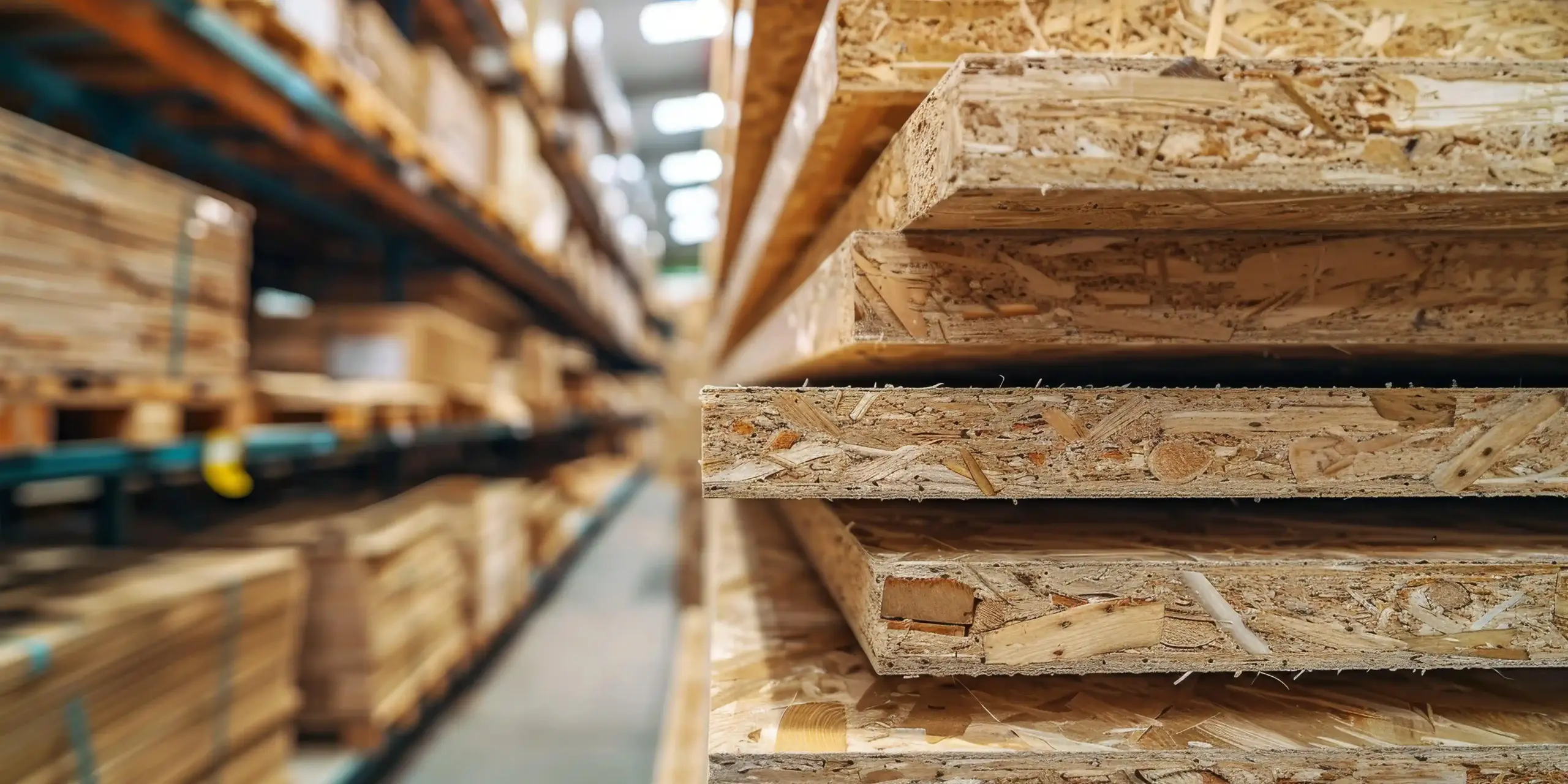
PAB | Pannello di particelle
SKU:
PAB
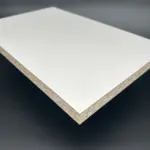
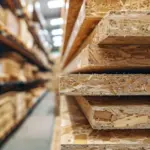
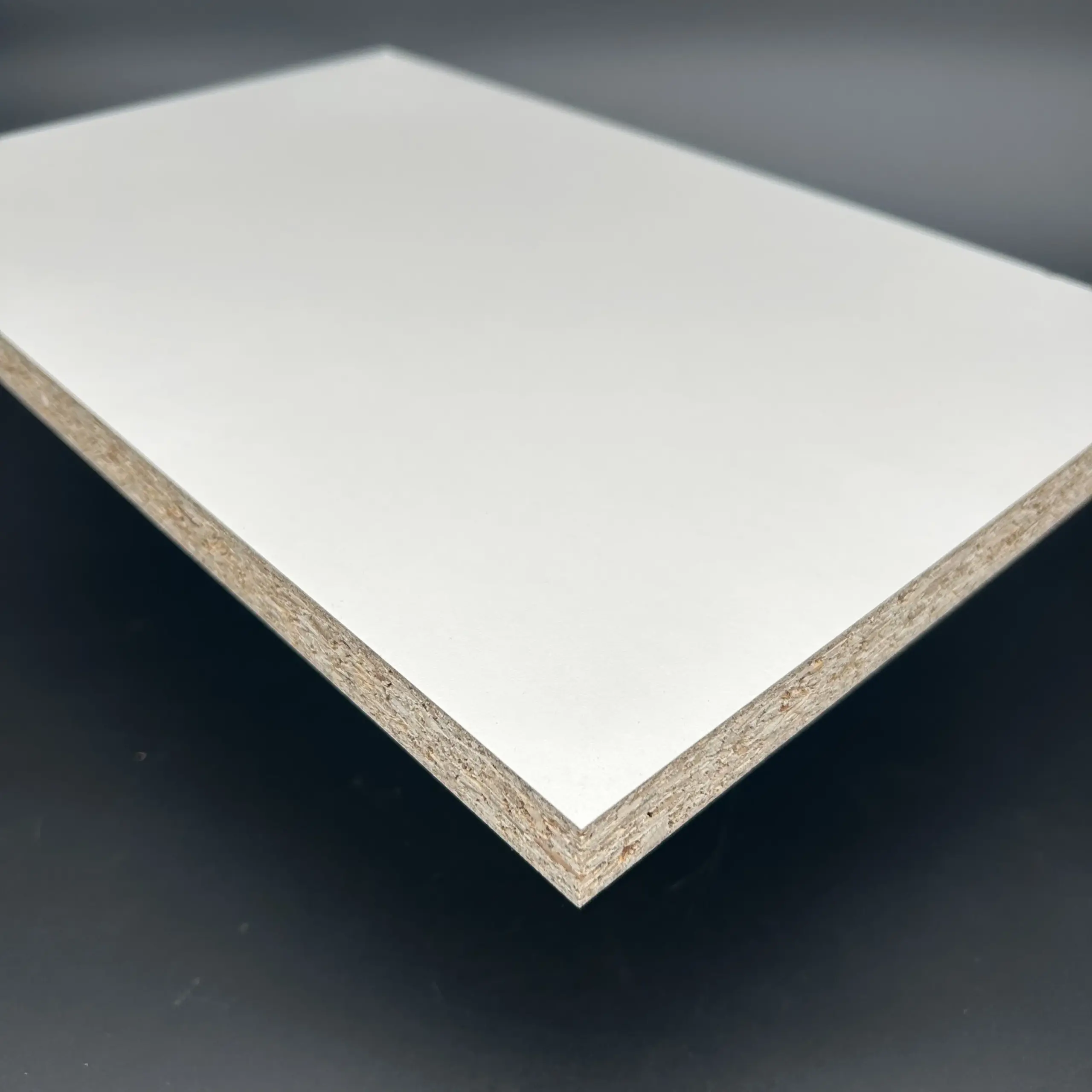
I pannelli Particle Board (PAB) sono prodotti in legno progettati per offrire stabilità strutturale, versatilità ed efficienza economica in un’ampia gamma di applicazioni per interni. Realizzati con particelle di legno incollate a caldo e a pressione, forniscono un’anima omogenea ideale per la produzione di mobili, armadietti, scaffalature, sistemi divisori e allestimenti interni.
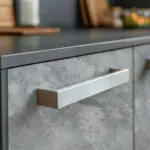
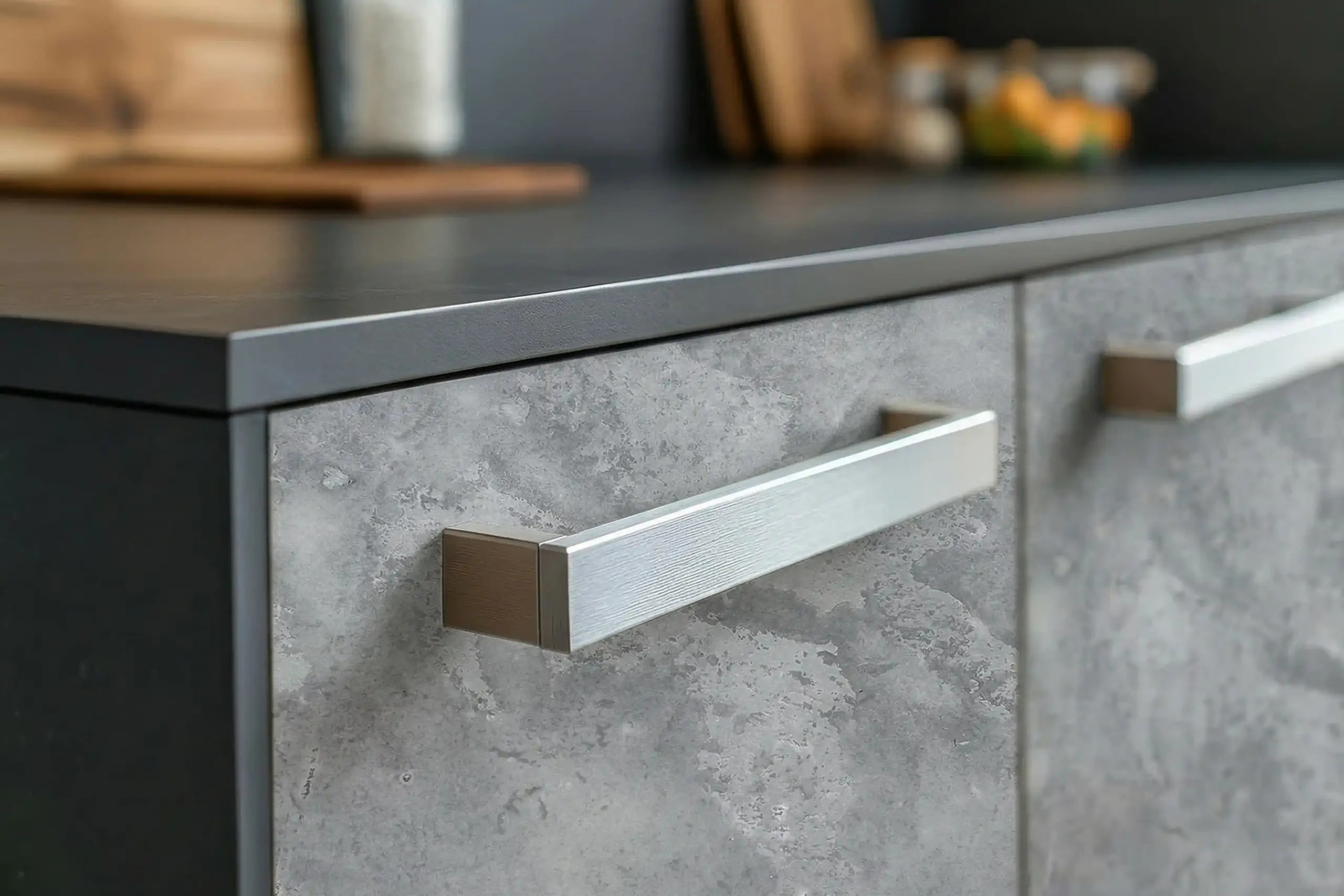
Se combinati con il laminato minerale XSTONE, questi pannelli si trasformano in superfici architettoniche di alto valore, fondendo le prestazioni industriali con l’estetica minerale naturale.
I vantaggi principali includono:
– Stabilità dimensionale: La densità uniforme riduce al minimo le deformazioni e garantisce prestazioni costanti.
– Efficienza dei costi: L’uso ottimizzato delle risorse del legno offre un valore eccellente per i progetti su larga scala.
– Prestazioni di superficie migliorate: Substrato ideale per il laminato minerale XSTONE, che permette di ottenere finiture in vera pietra, cemento o minerali senza i vincoli dei materiali tradizionali.
– Integrazione estetica premium: Texture minerali naturali (travertino, marmo, cemento, ruggine) applicate senza soluzione di continuità su pannelli industriali.
– Lavorabilità: Facile da tagliare, lavorare, forare e bordare con i normali strumenti per la lavorazione del legno, anche dopo la laminazione.
– Versatilità: Disponibile in vari spessori e densità per soddisfare le esigenze strutturali e decorative.
L’integrazione del laminato minerale XSTONE trasforma il pannello di particelle in una soluzione leggera, flessibile e di design adatta ad ambienti interni di alto livello.
| Composizione | Trucioli di legno, trucioli e segatura incollati con un adesivo di resina sintetica. |
|---|---|
| Caratteristiche | Il pannello truciolare è conveniente, ecologico e riciclabile, basso rigonfiamento dello spessore, lavorazione semplice con gli strumenti convenzionali per la lavorazione del legno, superficie liscia, adatto alle applicazioni di superficie (rivestimento melaminico, lamina, impiallacciatura, ecc.), lo stesso grado di resistenza in diverse direzioni |
| Dimensioni | 2800 x 1200 mm; misure personalizzate su richiesta |
| Spessore | 14 mm; spessore su misura su richiesta |
| Classificazione antincendio | D-s2, d0; B-s1, d0 resistente al fuoco su richiesta. |
Affordable
MDF is a particularly affordable material compared to other solid woods commonly used in interior design.
Versatility
MDF is available in a wide variety of sizes, thicknesses, and types (water-resistant, fire-retardant, and pre-stained), allowing you to tackle a wide range of projects, such as kitchen cabinetry, office desks, storage units, shelves, and wall panels.
Easy to machine
MDF is very easy to cut, saw, and machine to create complex and custom shapes.
Good dimensional stability
MDF has high dimensional stability. It does not expand or contract even with slight changes in temperature and humidity
Eco friendly
This is a relatively environmentally friendly product because it can be easily recycled and is made from wood scraps or wood particles that have been compressed and reinforced with glue.
Wall Design
Floor
Worktop & Splashback
Laminate
Furniture
Door
Retail Design
Hotel
Bar & Restaurant
Office
Residential spaces
Technical Characteristics & Manufacturing Technology
Particle Board panels are produced through a controlled industrial process involving wood particles, resin binders, and high-pressure pressing systems. This industrial base makes them an ideal substrate for mineral laminate bonding, including cold or hot press lamination with XSTONE surfaces.
Core Technical Characteristics:
- Density Range: Typically between 600–750 kg/m³ depending on grade
- Thickness Options: Commonly available from 8 mm to 38 mm and above
- Mechanical Strength: Optimized internal bond strength and bending resistance
- Surface Uniformity: Fine outer layers perfectly suited for XSTONE mineral laminate application
- Moisture Resistance Options: Standard, MR (moisture resistant), and specialized grades
Manufacturing & Lamination Process Overview:
- Raw Material Preparation: Wood residues and chips are cleaned and graded
- Blending: Particles are mixed with thermosetting resins
- Mat Formation: Multi-layer structure (fine surface / coarse core)
- Hot Pressing: Panel consolidation under heat and pressure
- Calibration & Finishing: Sanding for precise thickness and smoothness
- Mineral Lamination (XSTONE):
- Application using PVAc, dispersion adhesives, or contact adhesives
- Compatible with flat or curved surfaces
- Process similar to high-pressure laminate (HPL) or veneer pressing
This combination ensures high mechanical reliability while enabling premium mineral finishes with minimal added thickness (2–3 mm).
Eco Sustainability, Environmental Performance & Certification
Particle Board panels contribute to sustainable construction through efficient resource utilization and responsible sourcing. When paired with XSTONE mineral laminate, the system further enhances environmental performance by replacing massive stone with ultra-thin mineral surfaces.
Environmental Benefits:
- Optimized Wood Use: Manufactured from recycled wood particles and sawmill residues
- Reduced Material Consumption: XSTONE uses a thin mineral layer instead of solid stone
- Low Emissions: Panels available in E1 or lower formaldehyde classifications; XSTONE is solvent-free with very low VOC (<1 g/L)
- Sustainable Certifications: Compatible with FSC®, PEFC™, and green building standards (LEED, BREEAM contributions)
- Reduced CO₂ Footprint: Lightweight mineral laminate reduces transport and structural load
The combination supports high-performance, sustainable interior architecture with strong environmental credentials.
Installation Techniques & Application Methods
Particle Board panels laminated with XSTONE mineral surfaces are designed for efficient and flexible installation using standard woodworking and joinery techniques.
Installation Guidelines:
- Cutting & Machining: Processed like laminate panels using carbide tools
- Adhesion:
- Furniture: PVAc wood glue or contact adhesive
- Vertical applications: Heavy-duty dispersion adhesive
- Edge Finishing: Edges can be laminated, sanded, or left raw depending on design intent
- Surface Treatment: Application of protective sealant recommended depending on use (enhances scratch and stain resistance)
- Moisture Protection: Proper sealing required in humid environments
- Substrate Preparation: Clean, stable, and level surface required
The system behaves similarly to traditional laminate or veneer, while delivering the visual and tactile quality of real mineral materials.
Conclusion
Particle Board (PAB) panels, when combined with XSTONE mineral laminate, represent a next-generation solution for interior architecture; merging industrial efficiency with authentic mineral aesthetics.
This hybrid system delivers:
- Lightweight performance
- High-end natural finishes
- Scalable production compatibility
- Strong environmental positioning
A technically optimized, economically efficient, and design-driven solution for contemporary furniture manufacturing and interior construction.
Conclusion
Particle Board (PAB) panels, when combined with XSTONE mineral laminate, represent a next-generation solution for interior architecture; merging industrial efficiency with authentic mineral aesthetics.
This hybrid system delivers:
- Lightweight performance
- High-end natural finishes
- Scalable production compatibility
- Strong environmental positioning
A technically optimized, economically efficient, and design-driven solution for contemporary furniture manufacturing and interior construction.